Clement Fuqua
Blog entry by Clement Fuqua

Emergency Car Key Repair: A Comprehensive Guide
Car keys are an important part of vehicle ownership, and their unexpected breakdown can trigger significant trouble. Whether lost, broken, or harmed, knowing how to manage emergency car key repair is important for any vehicle owner. This thorough guide explores various elements of car key repair and replacement, dealing with common problems, prospective solutions, and the importance of professional services.
Understanding Car Keys
Modern car keys can be found in different types, each featuring distinct innovations and functionalities. The primary types include:
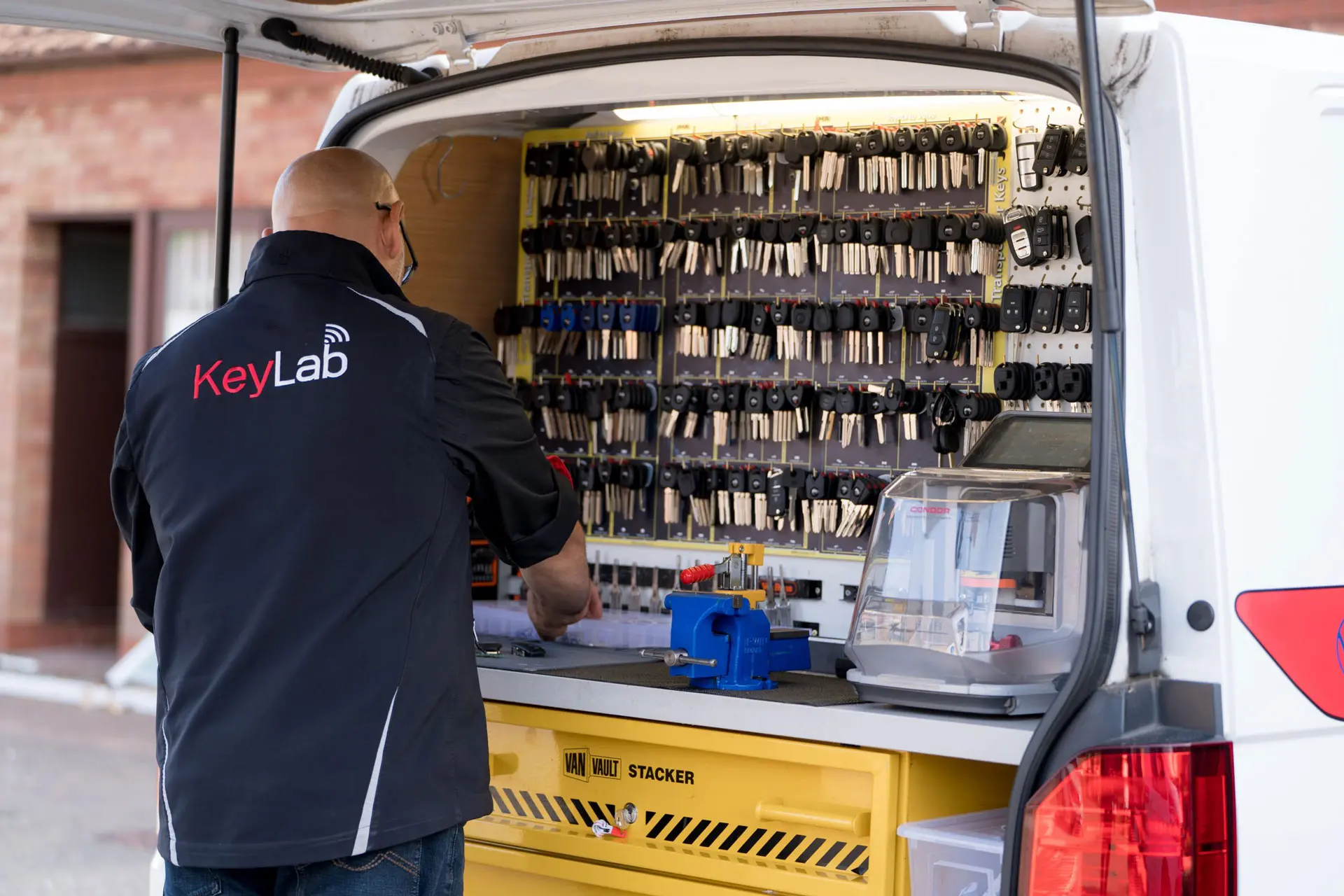
- Traditional Mechanical Keys: The simplest form, these keys run through a mechanical locking system.
- Transponder Keys: Equipped with a chip that communicates with the car's ignition system for enhanced security.
- Key Fobs: Remote gain access to systems that typically include keyless entry features.
- Smart Keys: Advanced systems that permit for keyless ignition and entry, normally found in more recent lorries.
Common Issues with Car Keys
In emergency scenarios, understanding the reason for car key breakdown can assist determine the right technique for repair. Some frequently encountered problems include:
- Key Breakage: Often takes place due to use and tear or excessive pressure when placing or turning the key.
- Lost Keys: Misplacement or loss of keys can leave a vehicle owner stranded.
- Dead Key Fob Battery: A typical concern with remote keys, resulting in failure in keyless entry or ignition.
- Transponder Key Malfunction: If the chip in the key is harmed, the vehicle might not recognize the key.
- Lock Cylinder Issues: Problems with the ignition or door lock cylinders can avoid the key from turning properly.
Do It Yourself Emergency Car Key Repairs
Before availing professional services, particular circumstances might permit for DIY repairs. Nevertheless, these approaches depend upon the concern at hand. Below are some methods:
1. Broken Key Repair
Materials Needed: Super glue, a pair of pliers, and damp wipes.
Actions:
- Carefully align the two pieces of the broken key repair - git.Mista.ru, key.
- Use a percentage of super glue to the break and hold the key together for a couple of minutes.
- Wrap the key with tape to offer extra support while the glue dries.
- If the key breaks once again, consider getting a duplicate made.
2. Dead Key Fob Battery Replacement
Materials Needed: New battery (usually CR2032), small flat-head screwdriver.
Actions:
- Open the key fob utilizing the screwdriver.
- Remove the old battery thoroughly.
- Change it with a new battery, ensuring the favorable (+) side deals with the appropriate instructions.
- Close the fob and test the functions.
3. Lock Cylinder Issues
If your key won't kip down the lock, it might be due to particles or issues with the cylinder itself.
Materials Needed: Lubricant spray, an old tooth brush or cloth.
Steps:
- Spray a little amount of lube into the lock cylinder.
- Utilize a fabric or old toothbrush to clear any debris or dirt.
- Attempt to turn the key gently.
When to Seek Professional Help
While numerous problems may be fixed through DIY methods, some problems require the competence of an expert locksmith or car dealership. The following situations usually necessitate expert intervention:
- Severe Damage: If the key is significantly harmed or broken, replacing it may be essential.
- Transponder Key Issues: Expert reprogramming may be needed if the key fails to communicate with the vehicle.
- Key Duplication: For complicated key types, a locksmith makes sure precise duplication or replacement.
Benefits of Choosing Professional Services
- Expertise: Professionals have the necessary training and experience to deal with various kinds of keys.
- Time Savings: Instead of experimentation, professionals can solve concerns efficiently.
- Access to Technology: Locksmiths can reprogram transponder keys and key fobs that need specialized equipment.
Contrast Table: DIY vs. Professional Services
| Aspect | DIY Solutions | Specialist Services |
|---|---|---|
| Cost | Low (very little tools) | Higher (service costs) |
| Skill Required | Basic | Advanced |
| Time Efficiency | Variable | Quick |
| Repair Capabilities | Limited to minor issues | Large range of repairs |
| Tool Accessibility | Standard tools | Specialized equipment |
Often Asked Questions (FAQs)
1. Can I get a car key made without the initial?
Yes, a locksmith can typically produce a duplicate key utilizing the vehicle's VIN (Vehicle Identification Number).
2. The length of time does it require to change a car key?
The time required depends upon the key type and the complexity of the locksmith's work. Standard keys may take a couple of minutes, while electronic key fobs might take longer.
3. Will my car service warranty cover key replacement?
Normally, car service warranties do not cover key replacement. However, it's best to contact your dealer relating to coverage specifics.
4. Is it safe to purchase car keys online?
Buying car keys online can be risky; it's vital to guarantee that the provider is respectable. Many keys require programming that can only be done by specialists.
5. What should I do if my key gets stuck in the ignition?
If your key is stuck, avoid forcing it out. Rather, turn off the vehicle, make sure the gear remains in 'Park,' and gently wiggle the key. If it does not come out, seek professional assistance.
Managing emergency car key repairs can be daunting, but comprehending the kinds of keys, common issues, and repair options can reduce the tension. While DIY approaches can be effective for minor repairs, understanding when to call a professional can save time, aggravation, and ultimately, money. By being proactive and notified, vehicle owners can ensure they are well-prepared for any car key emergencies.