Brett Champlin
Blog entry by Brett Champlin
Ignition Key Repair: A Comprehensive Guide
In today's modern-day vehicles, ignition keys have actually ended up being more than just a simple metal piece that begins an engine. With improvements in innovation, they have evolved into sophisticated gadgets that often integrate transponders and electronic chips. When these keys breakdown, motorists may find themselves stranded or dealing with costly repairs. This short article checks out the numerous aspects of ignition key repair (click over here now), highlights common problems, and provides a guide to reliable troubleshooting and resolution.
Comprehending Ignition Keys
Ignition keys can be broadly classified into various types:
- Traditional Keys: These appear metal keys that mechanically unlock the ignition system.
- Transponder Keys: Equipped with a microchip, these keys interact with the vehicle's ignition system to permit starting.
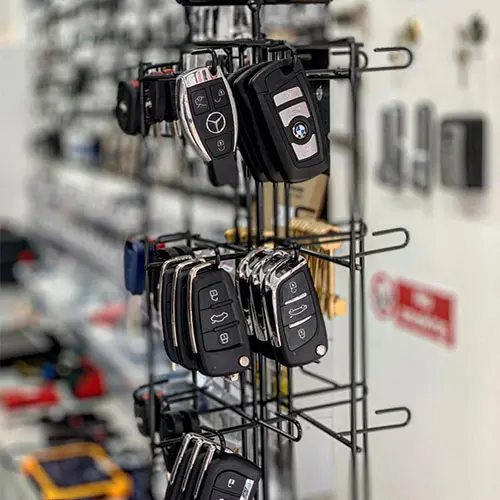
- Keyless Entry Fobs: These smart keys make it possible for cordless entry and ignition, frequently utilizing Bluetooth or RFID technology.
The intricacy of these keys differs, affecting not simply how they work however also the repair and replacement approaches.
Common Issues with Ignition Keys
Numerous problems can occur with ignition keys, causing the need for repair. Comprehending these issues can help vehicle owners acknowledge when they need expert support.
Key Wear and Tear: Over time, consistent use can wear down the teeth of traditional keys, making it challenging to turn in the ignition.
Transponder Malfunctions: If the chip in the transponder key becomes damaged, it might not communicate successfully with the vehicle, preventing it from beginning.
Battery Failure in Key Fobs: Keyless entry fobs depend on batteries to operate. A dead battery suggests the vehicle can not be unlocked or begun.
Physical Damage: Dropping or flexing keys can cause both functional and cosmetic issues, affecting efficiency.
Program Errors: Newly configured keys might not sync properly with the vehicle's ignition system, particularly after a battery change or vehicle repairs.
Fixing Ignition Key Issues
To deal with ignition key issues, vehicle owners can try the following troubleshooting actions:
- Inspect the Key: Check for visible damage such as bends, fractures, or broken components.
- Check the Batteries: For key fobs, change the battery and test if the vehicle responds.
- Inspect Connections: Ensure that there is no dirt or particles in the ignition cylinder that might prevent the key's functionality.
- Attempt a Spare Key: If offered, test an extra key to determine whether the issue is with the original key or the ignition system itself.
- Try To Find Error Codes: Many contemporary automobiles have onboard diagnostic systems that can reveal problems related to ignition. A specialist can scan for codes if issues persist.
Repair vs. Replacement
When faced with ignition key problems, vehicle owners frequently question whether to repair or change the key. The decision hinges on various elements:
- Cost-Effectiveness: Repairing a conventional key is usually more economical compared to programming a brand-new transponder or fob.
- Kind of Key: Traditional keys might be quickly changed or replicated at a local locksmith, while more intricate keys often need professional services from a dealer.
- Severity of Damage: If a key is badly harmed, replacement is typically the most reliable long-term solution.
Benefits and drawbacks of Repairing Ignition Keys
| Pros | Cons |
|---|---|
| Cost-efficient for basic issues | May not deal with deep-rooted concerns |
| Protects the original key style | Limitations on key types (e.g., smart keys) |
| Faster turnaround for minor repairs | Fixing may be momentary |
Benefits and drawbacks of Replacing Ignition Keys
| Pros | Cons |
|---|---|
| Surefire functionality | Generally more pricey |
| Update options offered | Needs programming for complicated keys |
| Possibly boosted features (e.g., keyless entry) | Takes time to obtain and configure |
FAQs About Ignition Key Repair
1. Just how much does it cost to repair an ignition key?
The cost can vary widely based upon the type of key and the specific problem. Conventional keys might cost around ₤ 15-₤ 50 to duplicate, while transponder keys can vary from ₤ 50 to ₤ 200, considering programming.
2. Can I repair a broken key myself?
Small repairs like cleaning or battery replacement for fobs can frequently be done at home. However, complicated concerns, particularly with transponder keys, are best managed by experts.
3. How long does it require to repair or change an ignition key?
Standard repairs can often be finished within the hour, while replacements, especially for transponder keys or smart keys, might take longer due to programming requirements.
4. What should I do if my key breaks in the ignition?
If a key breaks in the ignition, do not try to eliminate it yourself. Instead, get in touch with a locksmith or your car dealership for professional assistance.
5. Do I need to reprogram my key after changing the battery?
In many cases, changing a key fob battery does not require reprogramming. However, if the vehicle does not react after a battery modification, you might require to reprogram the fob.
Ignition key repair is a crucial aspect of vehicle maintenance that should not be ignored. With the boost in technological combination into cars, comprehending how ignition keys work, recognizing common concerns, and understanding when to look for help can save money and time. Whether choosing repair or replacement, vehicle owners ought to focus on safety and functionality to make sure smooth operation and a smooth driving experience. Keeping an extra key on hand and attending to issues early can also assist mitigate potential troubles down the roadway.