Devon Scantlebury
Blog entry by Devon Scantlebury
The Rise of the Autonomous Cleaner: A Deep Dive into Robot Vacuum Cleaners
In today's fast-paced world, effectiveness and benefit are critical. As innovation advances, it seamlessly weaves its way into our lives, automating jobs and freeing up precious time. One such development that has revolutionized family tasks is the robot vacuum cleaner. These intelligent gadgets have actually moved beyond novelty gadgets, becoming indispensable tools for maintaining clean homes with minimal effort.
best Robot Vacuum Cleaner vacuum are no longer a futuristic dream; they are a tangible reality, readily offered and increasingly advanced. They represent a substantial shift in how we approach cleaning, allowing us to reclaim our weekends and nights from the drudgery of vacuuming. This short article delves into the world of robot vacuum, exploring their inner operations, the numerous types offered, the benefits they use, and the essential factors to consider when choosing the ideal one for your home.
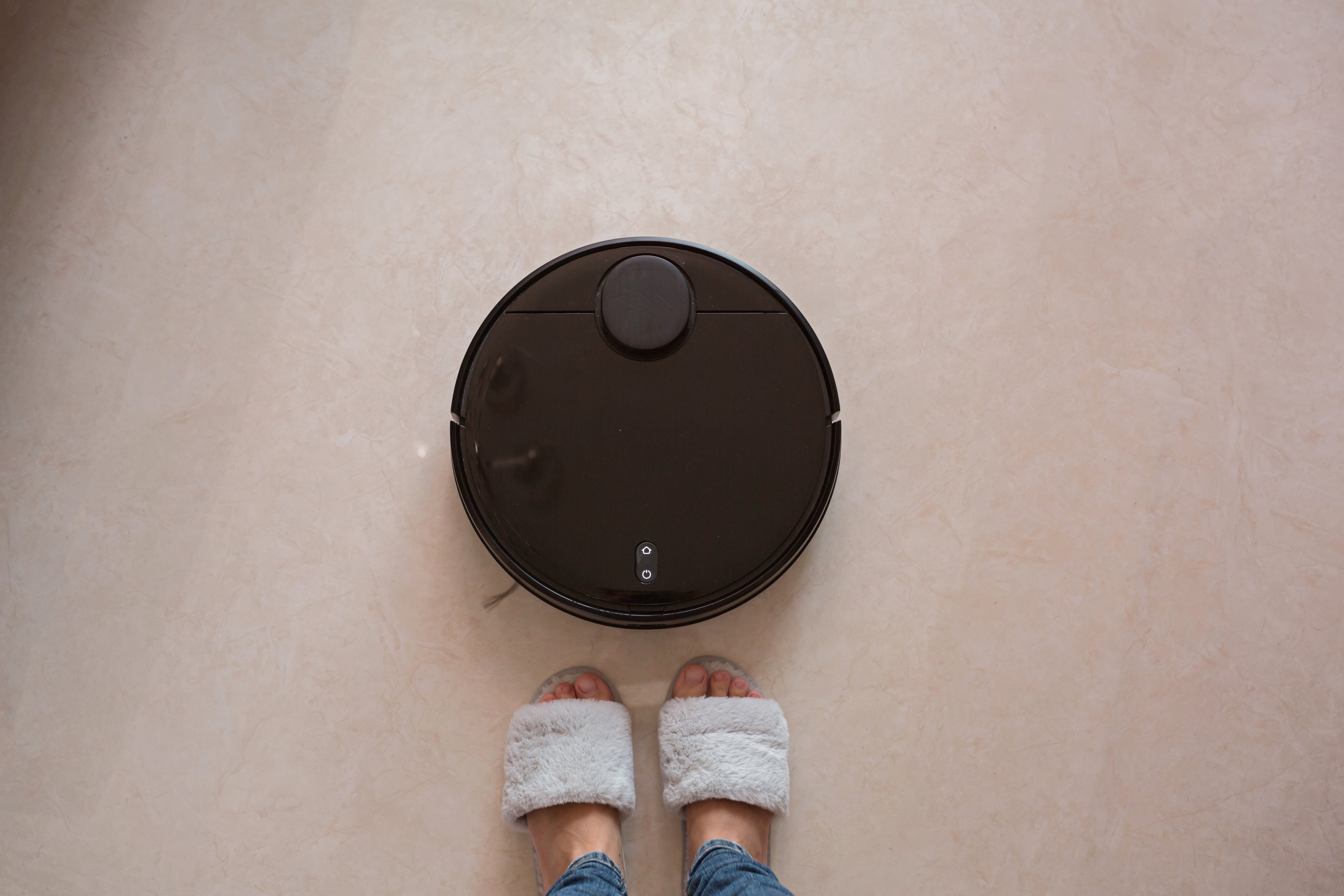
How Do These Little Cleaning Robots Work?
At their core, robot vacuum cleaners are marvels of engineering, combining various innovations to browse and tidy autonomously. They are essentially miniature, self-propelled vacuum geared up with sensing units, motors, and advanced software. While designs vary in intricacy, the essential concepts remain constant:
Navigation and Mapping: Early robot vacuums relied on bump-and-go navigation, randomly bouncing around till the entire floor was covered. Modern versions are even more intelligent. Numerous utilize innovative technologies such as:
- Infrared Sensors: These sensors detect obstacles and walls, enabling the robot to alter instructions and avoid accidents.
- Cliff Sensors: Located on the underside, these sensors prevent the robot from dropping stairs or off ledges.
- Gyroscopes and Accelerometers: These internal sensing units track the robot's motion and orientation, enhancing navigation accuracy.
- Visual Simultaneous Localization and Mapping (vSLAM): Higher-end models utilize electronic cameras and sophisticated algorithms to develop a map of the home in real-time. This permits systematic cleaning paths and targeted cleaning.
- LiDAR (Light Detection and Ranging): Another sophisticated mapping technology utilizing laser beams to create highly precise maps of the environment. LiDAR-equipped robotics are typically more effective in low-light conditions.
Suction and Cleaning Systems: Just like traditional vacuum cleaners, robot vacuums use suction to lift dust, dirt, and particles from floors. They normally include:
- Main Brushroll: A rotating brush roll at the bottom upsets carpets and sweeps particles towards the suction inlet. Some designs have specialized brush rolls for different floor types.
- Side Brushes: These extend out to tidy along edges and corners, effectively sweeping debris into the path of the primary brushroll.
- Suction Motor: The power of the suction motor identifies the cleaning effectiveness, particularly on carpets and for pet hair. Suction power is frequently measured in Pascals (Pa).
- Filtration Systems: Most robot vacuums make use of filters to trap dust and irritants, enhancing air quality. HEPA filters are particularly reliable at capturing fine particles.
Battery and Charging: Robot vacuums are powered by rechargeable batteries, generally Lithium-ion. Battery life varies depending on the model and settings, ranging from 60 to 120 minutes or more on a single charge. When the battery is low, or after completing a cleaning cycle, the majority of robots instantly go back to their charging dock.
A Spectrum of Cleaning Capabilities: Types of Robot Vacuum Cleaners
The marketplace for robot vacuum is varied, offering designs with differing functions and rate indicate cater to different needs and spending plans. Here are some common categories:
Basic Robot Vacuums: These entry-level models concentrate on core cleaning functionality. They generally include bump-and-go navigation, fundamental suction, and timers for scheduled cleaning. They are perfect for smaller sized homes or those brand-new to robot vacuum technology.
Smart Mapping Robot Vacuums: Equipped with vSLAM or LiDAR, these robotics create detailed maps of your home. This enables organized cleaning patterns, room-by-room cleaning, "no-go zones" that you can specify in an app, and even targeted area cleaning. They are substantially more efficient and thorough than basic models.
Robot Vacuum and Mop Combos: These flexible devices integrate vacuuming and mopping performances. They generally have a water tank and a mopping pad accessory. While they might not change devoted mops for deep cleaning, they are exceptional for keeping difficult floors and light mopping.
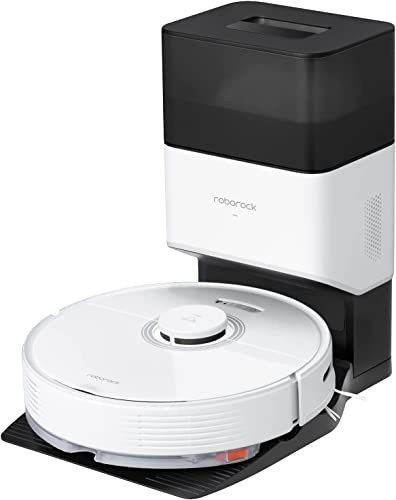
Self-Emptying Robot Vacuums: A game-changer for convenience, self-emptying robots return to a docking station that not just charges them however also instantly empties their dustbin into a bigger, sealed container. This substantially minimizes the frequency of manual dustbin clearing, frequently enduring weeks or perhaps months.
Pet-Specific Robot Vacuums: Designed to tackle pet hair successfully, these designs frequently feature more powerful suction, tangle-free brush rolls, and boosted purification to capture irritants and pet dander.
The Plethora of Perks: Benefits of Robot Vacuum Cleaners
The appeal of robot vacuum cleaners originates from the many advantages they provide, considerably streamlining home cleaning regimens:
Time Savings: Perhaps the most substantial benefit is the time saved. Robot vacuums handle floor cleaning autonomously, maximizing your time for more satisfying activities or other important tasks.
Convenience and Automation: Set a cleaning schedule, and your robot vacuum will immediately clean your floorings, even when you are far from home. This simple and easy cleaning adds to a consistently cleaner home environment.
Consistent Cleaning: Robot vacuums can clean more frequently than manual vacuuming, preserving a greater level of cleanliness. Routine, automated cleaning can prevent dirt and dust buildup, particularly in hectic homes.
Pet Hair Management: For pet owners, robot vacuums are invaluable. They successfully tackle pet hair on various floor types, lowering irritants and keeping homes cleaner. Pet-specific models are especially adept at this task.
Reaching Under Furniture: Their low profile allows robot vacuums to clean under beds, couches, and other furniture, locations frequently missed out on with conventional vacuums.
Smart Home Integration: Many modern robot vacuums can be controlled by means of mobile phone apps and incorporated with smart home communities like Alexa or Google Assistant, providing voice control and advanced scheduling choices.
Navigating the Selection Process: Factors to Consider When Choosing
Selecting the right robot vacuum needs mindful consideration of your individual requirements and home environment. Here are crucial elements to examine:
Budget: Robot vacuum prices vary significantly based upon features and brand name. Identify your budget plan and focus on functions that are crucial to you.
Home Size and Layout: Larger homes with intricate designs benefit from smart mapping robotics with longer battery life. Smaller apartments may be effectively served by fundamental designs.
Floor Types: Consider the kinds of floor covering in your home. Residences with mainly difficult floorings may prioritize mopping abilities, while carpeted homes will need more powerful suction and reliable brush rolls.
Functions and Functionality: Think about desired features like:
- Navigation System: Bump-and-go vs. smart mapping (vSLAM or LiDAR).
- Suction Power: Consider your floor types and pet ownership needs.
- Battery Life: Ensure it's enough to clean your whole home on a single charge.
- Self-Emptying Bin: For maximum convenience.
- Mopping Functionality: If you want to combine vacuuming and mopping.
- Smart Features: App control, scheduling, virtual walls, room-by-room cleaning, voice control.
Pet Ownership: If you have pets, prioritize designs created for pet hair, with strong suction, tangle-free brush rolls, and effective purification.
Noise Level: Robot vacuums do produce sound. Inspect sound levels if you are especially sensitive to sound or prepare to run the vacuum while in the house.
Maintaining Your Autonomous Assistant: Care and Upkeep
To guarantee your robot vacuum runs effectively and lasts longer, regular maintenance is vital:
Empty the Dustbin Regularly: Even self-emptying models need periodic emptying of the base station container. For non-self-emptying designs, empty the dustbin after each cleaning cycle or as needed.
Clean the Brush Rolls and Side Brushes: Hair, particles, and threads can accumulate on the brushes. Frequently get rid of and clean them to maintain optimum cleaning performance.
Change Filters Periodically: Filters need to be changed according to the manufacturer's suggestions to maintain effective purification and suction.
Clean Sensors: Wipe sensors with a soft, dry cloth to ensure precise navigation and challenge detection.
Examine for Obstructions: Before running the robot, clear any small things, cords, or loose carpets that might get tangled in the brushes or block the robot's path.
The Future is Autonomous Cleaning
Robot vacuum technology is constantly evolving. We can expect to see more developments in navigation, cleaning power, expert system, and integration with smart home systems. Future robots may be much more tailored, discovering cleaning preferences, adapting to different floor types immediately, and even identifying and avoiding particular barriers.
Conclusion: Embracing the Convenience of Robot Vacuums
Robot vacuum have actually transformed the landscape of home cleaning, using extraordinary convenience, time cost savings, and consistent tidiness. From basic designs to sophisticated smart mapping robots with self-emptying abilities, there is a robot vacuum to fit every home and way of life. By understanding their functions, advantages, and maintenance requirements, you can pick the ideal autonomous cleaner to simplify your life and delight in a regularly cleaner home with very little effort. Embrace the future of cleaning and let a robot vacuum reclaim your time and simplify your chores.
Regularly Asked Questions (FAQs) about Robot Vacuum Cleaners
Q1: Are robot vacuum as effective as standard vacuums?
A: Modern robot vacuums, especially higher-end models, can be really effective at cleaning various floor types. While they may not have the raw power of some high-end upright vacuums for deep cleaning heavy carpets, they stand out at daily maintenance cleaning and are typically sufficient for most family requirements, especially on difficult floors and low-pile carpets.
Q2: How long do robot vacuum cleaners last?
A: The life expectancy of a robot vacuum depends on the brand, model, usage, and maintenance. Generally, you can anticipate a good quality robot vacuum to last for 3-5 years or even longer with correct care. Battery life is a crucial factor, and batteries might require replacement after a few years.
Q3: Can robot vacuum damage furnishings or walls?
A: Most modern robot vacuums have sensors to spot barriers and prevent crashes. Nevertheless, it's still a good idea to clear clutter and delicate items from the robot's path. Some models enable you to establish virtual walls or no-go zones to prevent them from going into specific areas.
Q4: Are robot vacuum loud?
A: Robot vacuums do produce noise, however usually, they are quieter than conventional upright vacuums. Sound levels vary in between models and suction settings. Search for models with lower decibel rankings if sound is an issue.
Q5: Can robot vacuum tidy pet hair effectively?
A: Yes, many robot vacuums are created specifically for pet hair and are extremely reliable at choosing it up from various floor types. Try to find models with strong suction, tangle-free brush rolls, and HEPA filters to trap pet irritants.
Q6: Do I still require a routine vacuum if I have a robot vacuum?
A: For the majority of homes, a robot vacuum can significantly reduce the need for routine vacuuming. However, you might still require a standard vacuum for area cleaning, deep cleaning carpets, or cleaning furniture and upholstery, depending upon your specific cleaning requirements.
Q7: How much do robot vacuum cleaners cost?
A: Prices differ widely, ranging from under ₤ 200 for standard designs to over ₤ 1000 for high-end designs with sophisticated features like smart mapping, self-emptying, and mopping.
Q8: Are robot vacuum cleaners worth the financial investment?
A: For many individuals, the convenience and time cost savings offered by robot vacuum make them a rewarding financial investment. They are especially useful for busy individuals, households with pets, and those who desire to keep a consistently tidy home with minimal effort.