Tammie Showalter
Blog entry by Tammie Showalter
Understanding Kitchen Ovens and Hobs: A Comprehensive Guide
The kitchen is frequently described as the heart of the home, and for excellent factor. It is where households come together, meals are prepared, and memories are produced. Central to this culinary sanctuary are two essential appliances: the kitchen oven and the hob. Understanding their features, types, and functionalities is crucial for effective cooking and can substantially improve a home chef's experience. This short article will dive into the world of kitchen ovens and hobs, analyzing their various types, benefits, and tips for making informed options.
Tabulation
- Intro to Kitchen Ovens
- Types of Ovens
- Conventional Ovens
- Convection Ovens
- Microwave Ovens
- Steam Ovens
- Comprehending Hobs
- Kinds of Hobs
- Gas Hobs
- Electric Hobs
- Induction Hobs
- Advantages of Using Ovens and Hobs
- Picking the Right Oven and Hob for Your Kitchen
- Upkeep Tips for Ovens and Hobs
- Frequently asked questions
- Conclusion
1. Introduction to Kitchen Ovens
Ovens are essential appliances in contemporary cooking areas. They offer a controlled environment for baking, roasting, and broiling food. With various styles and performances, selecting the ideal oven can dramatically impact cooking times, food texture, and taste.
2. Kinds of Ovens
Standard Ovens
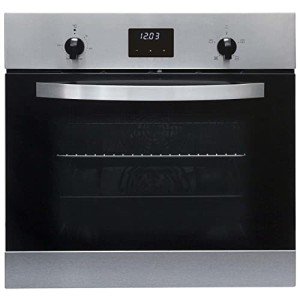
Standard ovens are the most typical type discovered in homes. They use either electric or gas power to heat the interior and typically feature a single cooking area.
Benefits:
- Versatile for baking, roasting, and broiling.
- Typically affordable.
Convection Ovens
Stove resemble standard ovens however come geared up with a fan that flows hot air throughout the cooking chamber. This leads to even cooking and browning.
Benefits:
- Reduced cooking times due to improved airflow.
- Boosted browning and crisping of foods.
Microwave Ovens
Microwave ovens utilize electromagnetic radiation to heat food rapidly, making them convenient for thawing and reheating leftovers.
Benefits:
- Very fast cooking times.
- Energy effective.
Steam Ovens
Steam ovens utilize steam to prepare, protecting the moisture and nutrients in food. They are especially popular amongst health-conscious cooks.
Benefits:
- Healthier cooking option.
- Retains minerals and vitamins in food.
3. Comprehending Hobs
Hobs, also called cooktops, are the flat surface areas on which pots and pans are positioned to prepare food. They can be integrated into kitchen counter tops and are readily available in different styles, fuel types, and styles.
4. Types of Hobs
Gas Hobs
Gas hobs use burner as their heat source, using instantaneous heat and precise temperature level control.
Benefits:
- Excellent control over cooking heat.
- Normally cheaper to run than electric ones.
Electric Hobs
Electric hobs heat utilizing electric coils or glass surfaces. They may take longer to warm up than gas, however they provide a smooth cooking surface area and are much easier to clean.
Benefits:
- Even heat circulation.
- Safe, as there's no open flame.
Induction Hobs
Induction hobs utilize electromagnetic energy to directly heat up pots and pans. They require suitable pots and pans and offer immediate responsiveness.
Benefits:
- Highly energy-efficient.
- Faster cooking times and accurate temperature control.
5. Benefits of Using Ovens and Hobs
Both ovens and hobs included their own distinct set of benefits that can improve any cooking experience. Here are a few crucial benefits:
- Diverse high-quality cooking appliances Options: Both appliances enable a range of cooking approaches consisting of boiling, frying, roasting, baking, and steaming.
- Time Efficiency: Modern ovens and hobs typically feature quick cooking settings, which conserve time in the kitchen.
- Accuracy Cooking: With innovative features, users can accomplish much better results in temperature control and cooking times.
6. Choosing the Right Oven and Hob for Your Kitchen
When selecting the best oven and hob, various factors need to be considered:
- Size: Ensure that the appliance fits conveniently in your kitchen space.
- Cooking Style: Consider what types of food you regularly prepare.
- Fuel Type: Whether gas or electric, consider accessibility and efficiency in your location.
- Budget plan: Determine your spending plan and find home appliances that fulfill your requirements within that range.
Checklist for Choosing Your Oven and Hob:
- Assess kitchen space.
- Recognize your cooking choices.
- Determine power source accessibility.
- Compare features and specifications.
- Set a budget range.
7. Upkeep Tips for Ovens and Hobs
Routine maintenance is important for keeping ovens and hobs in optimal condition. Here are some maintenance pointers:
- Clean Regularly: Wipe down surfaces after each usage and deep tidy occasionally.
- Inspect Seals: For ovens, examine door seals to guarantee they are airtight.
- Take a look at Burners: For gas hobs, keep burners devoid of food debris to keep effective heating.
- Replace Filters: If your oven has a filter, replace it as advised by the producer.
8. Frequently asked questions
1. What is the difference in between a traditional oven and a convection oven?Conventional ovens
prepare food through radiant heat, while stove circulate hot air, leading to faster and more even cooking. 2. Do induction hobs require unique cookware?Yes,
induction hobs need ferrous pots and pans that can being allured to work efficiently. 3. Are steam ovens worth the investment?For health-conscious people or those who often prepare vegetables and delicate foods, steam ovens can be worth the financial investment
due to their ability to maintain nutrients. 4. Can I integrate an oven and hob into one unit?Yes, lots of producers provide combined units understood as range cookers, which incorporate both an oven
and hob into a single appliance. 9. Conclusion Kitchen ovens and hobs are important components of any cooking space, each offering distinct features and functionalities matched for different cooking designs.
By comprehending the
kinds of ovens and hobs readily available, their benefits, and how to maintain them, home chefs can cultivate a more effective and pleasurable cooking experience. Whether one is a skilled cook or a newbie, making informed decisions about these important kitchen devices is crucial.